How can chemical education support the human right to healthcare?
Marvin Center
An educational resource compilation on our rights to health and education
Overview
Introduction - The Right to Healthcare
What is the right to health?
Access to medical care and essential medications has been recognized as a fundamental human right by, among many other entities, The United Nations [1] and the World Health Organization [2]. These organizations believe that medication and quality healthcare are necessary for a high quality of life.
Check out the documents below to see some examples of how we define the human right to health.
But how far does this right extend? Which medications count as essential? Though all prescription medications that improve our quality of life should be accessible to everyone, below is a list of medications considered essential by the WHO in 2023.
Despite the clear need for equitable access to medicine, pharmaceutical companies and health insurance providers frequently prioritize profits over people and restrict access to life-saving medications, disproportionately affecting marginalized communities and those of a lower socioeconomic status.Pharmaceutical companies defend the cost of medications by citing a high production cost, though studies have found no link between a medication’s estimated research and development costs and the price a consumer ultimately pays for the medication [3,4]. Additionally, profit-driven price negotiations led by pharmacy benefit managers, as well as the structure of health insurance in the U.S., with high copays and monthly premiums, further contribute to the high consumer cost of healthcare [3,5].Other concerns include pharmaceutical monopolies, unfair patent laws, and costly advertising campaigns for new medications [3]. These problems compound one another, raising medical costs for consumers and pricing some out of receiving healthcare entirely, which deprives the impoverished of their human right to accessing essential medications.

Although the right to healthcare has consistently been recognized as a human right, only 73 countries provide some form of basic universal healthcare to their citizens [6], and the United States of America is not present on this list. Consequently, Americans are highly impacted by the high cost of medications.Many legislators and patients have emphasized the need to make drug production more affordable, allowing medications to be cheaper for American consumers who do not have the choice and should not have to choose to forgo these essential drugs, but little progress has been made on this issue.This topic may seem abstract to those with adequate health insurance or without costly health disorders, so let's visit a concrete example of a drug required by millions of Americans, but still unaffordable to many.
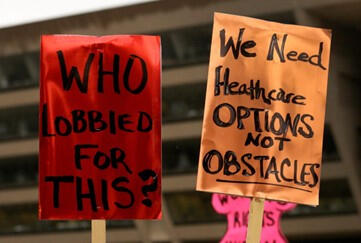
Image courtesy of Tony Gutierrez, AP Photo
Behind the Intersectional Chemistry Project
Marvin has always been interested in science and possessed a deep passion for teaching and peer mentorship, but decided to pursue a pre-medical concentration due to familial pressure. Recently, he grew tired of pursuing choices for others rather than for himself and decided to pursue his true passion, with the guidance of professors who supported him every step of the way. With the interest in chemistry, biology, and medicine ever alive, Marvin decided his true calling was to pursue research in medicinal chemistry while mentoring and guiding aspiring scientists like himself.Both he and his spouse suffer from long-term health conditions that make everyday life difficult, and they both know the quirks of the American healthcare system all too well. They have navigated the variety of brand-name and generic medications available on the US market, researched countless insurance plans and legislative failures, and questioned how to improve their situations of themselves and the millions of Americans facing the same preventable struggles.Additionally, as a Pell Grant recipient and first-generation college student, he understands first-hand the importance of education and the financial barriers to higher education.This resource started as a project for an honors seminar at Georgia State University, but Marvin intends to grow and maintain this site. He hopes that this resource compilation will serve to not only educate the public about the rights they possess, but also to inspire them to take action and fight for the betterment of our collective health and the American educational system.
About the Author
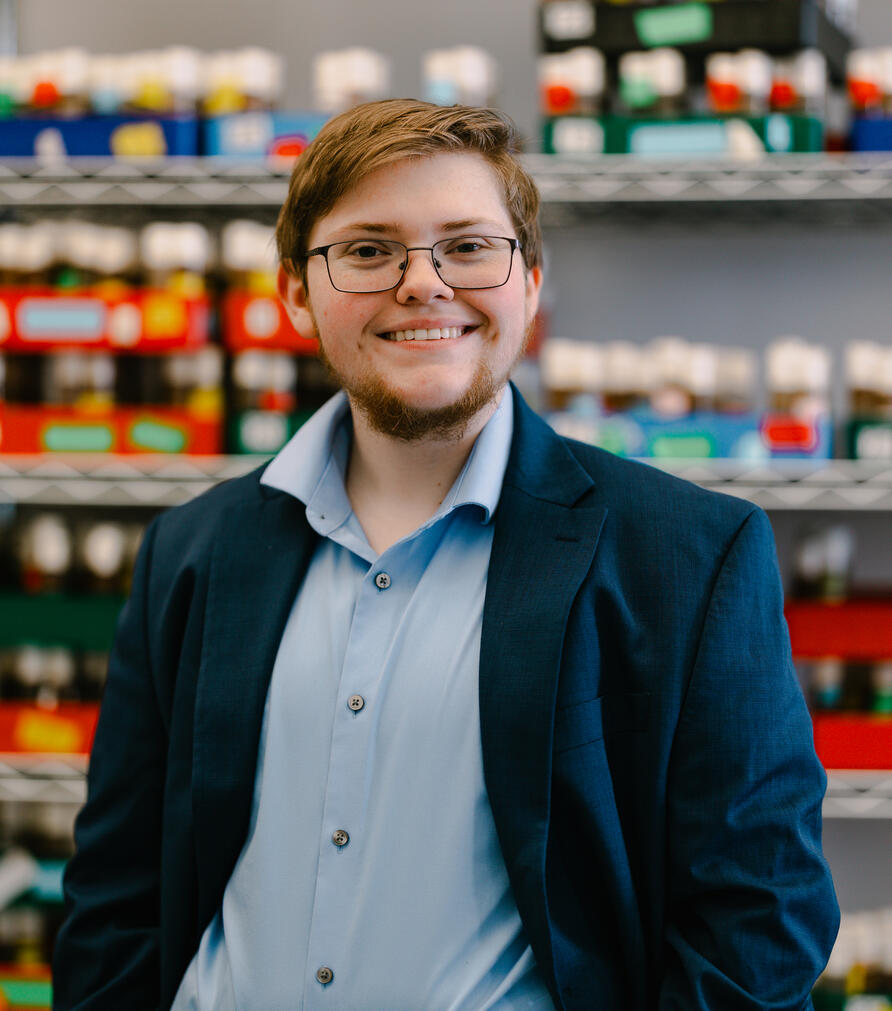
Image courtesy of James Ly Photography
Education:
Bachelor of Science in Chemistry, Pre-medical Concentration (2021-2025)
Bachelor of Arts in World Languages and Cultures, Spanish Concentration (2021-2025)

Master of Science in Biology, Research Track, Expected 2027
After completing his M.S., Marvin plans to pursue a Ph.D. in Medicinal Biochemistry, with the goal of becoming a professor and running a drug discovery laboratory. Above all, he strives to serve as a mentor for students like himself and encourage more first-generation students to participate in scientific research.
Research Experience:

Undergraduate Research Assistant, 2023-Present
Advisor: Daniel N. Cox, Ph.D., Neuroscience Institute, Georgia State UniversityHonors Thesis: Center, M. Dissecting the impact of ribosome heterogeneity on cell-type-specific dendritic architecture. Honors Thesis, Georgia State University, Fall 2024.I investigated the impact of ribosome heterogeneity on dendritic morphology in Drosophila. Now, I develop analytical macros to reduce data processing time, and I study effects of gene knockdown on larval behavior.
Undergraduate Researcher, CHEM 3950, Spring 2023
Advisor: Maged Henary, Ph.D., Department of Chemistry, Georgia State UniversityI synthesized and purified therapeutic near-infrared fluorophores with my daily mentor, and I independently performed a UV-Vis optical property study. I also integrated and interpreted proton NMR spectra.
Awards and Scholarships:
Institutional:

Best Overall University Scholar
Outstanding Leadership Award
Bradford Scott Beerman Memorial Scholarship
Student Teaching Assistant Award
Supplemental Instruction Leader of the Month
Honors Research Laureate
3rd Place and People’s Choice Awards, Thesis Pitch
Emeriti Association Research Grant
Goldwater Nominee (1 of 4)

Molecular Basis of Disease Summer Undergraduate Research Fellow
Zell Miller Scholarship (full-tuition)
President's List (8 semesters)
Dean's List (2 semesters)
Overcoming Challenges Scholarship

Most Outstanding Poster Design

Beckman Scholar, 2023-2024

Undergraduate Award in WLC
Global Scholar Distinction
Virtual Exchange, Biology and Precalculus
Coca-Cola Global Ambassadors Scholarship
College of Arts and Sciences Study Abroad Scholarship

Gilman Scholar, Italian language

MARC Scholar, 2024-2025
Work Experience:

Teaching Assistant,
Organic Chemistry and General Chemistry, 2022-2024
Science Olympiad Assistant, 2025
Organic Chemistry Notetaker, 2022
Student Assistant
2023-2025
New Student Orientation Leader
2025

Supplemental Instruction Leader,
Organic Chemistry
2023

Atlas Assistant and Translator, Study Abroad – Multicultural Ecuador Program, 2022
Case Checking Intern, 2023-2024

Member, 2023-2024
Secretary, 2023-2024
Vice President, 2024
President, 2025
Insulin: A Case Study
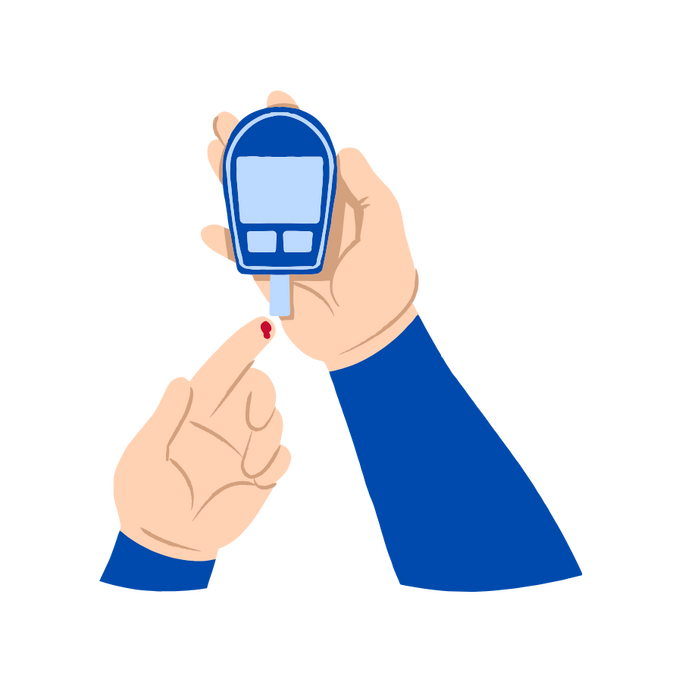
I. What is diabetes?
There are three known types of diabetes mellitus: Type I, Type II, and gestional diabetes. Both Type I and Type II can lead to hyperglycemia (high blood sugar), and all forms of diabetes are typically treated with synthetic insulin.
Type I Diabetes
Type I diabetes is an autoimmune disease in which your pancreas is unable to make insulin, a hormone responsible for regulating blood sugar [7]. It's thought to be caused by an autoimmune response in which your body attacks itself, killing the pancreatic beta cells responsible for synthesizing insulin [7,8]. Researchers believe that this response can be triggered by genetic traits or viral infections, but we do know that it is not caused by poor diet or exercise. It is unknown whether Type I diabetes is preventable, and there is currently no cure for the disease.Though they may take years to appear, the symptoms of Type I diabetes include:
Frequent urination
Constant thirst or hunger
Fatigue
Blurry vision
Slow-healing wounds
Unexplained weight loss
Type II Diabetes
Insulin resistance, where your body is unable to properly use insulin to lower your blood sugar, is a hallmark of Type 2 diabetes. Unlike Type I diabetes, poor diet and lack of exercise can lead to development of Type 2 diabetes. This form is more commonly acquired later in life, but it is becoming common in young adults and even children [9]. Though there is no immediate cure for Type II diabetes, the effects of the disease can sometimes be reversed through proper diet, exercise, and insulin treatment.Common symptoms of Type II diabetes include:
Frequent urination
Constant thirst or hunger
Fatigue
Blurry vision
Slow-healing wounds
Unexplained weight loss
Tingling and numbness in the hands and feet



Gestational Diabetes
In this special form of diabetes acquired during pregnancy, the pancreas is able to make insulin, but hormones excreted by the placenta block your body from using the insulin properly [10,11]. Roughly 8-9% of pregnant Americans develop gestational diabetes towards the end of their pregnancy, but it typically goes away after the patient gives birth [10]. Obese patients, older patients, people of color, and those with prediabetes are more likely to develop gestational diabetes. Many patients with gestational diabetes will not show symptoms, making it harder to diagnose.

Common complications associated with diabetes [12,13]
Cardiovascular effects: heart disease, coronary artery disease, angina, heart attack, stroke, atherosclerosis, and high blood pressure
Nerve damage: temporary or permanent tingling, numbness, burning or pain in the extremities; poor blood flow, infections requiring amputation
Digestive issues: nausea, vomiting, diarrhea, constipation, and erectile dysfunction
Kidney damage: kidney failure or irreversible, end-stage kidney disease requiring dialysis or transplant
Eye damage: diabetic retinopathy, blindness, cataracts, and glaucoma.
Skin and mouth issues: bacterial or fungal infections, gum disease and dry mouth
Pregnancy complications: miscarriage, stillbirth and birth defects; diabetic ketoacidosis, retinopathy, high blood pressure and preeclampsia

Want to learn more about diabetes? Check out the fact sheets below for more information on symptoms, prevention, treatment, and solutions.
Insulin: A Case Study
II. Copay Caps
In 2021, the CDC estimated that more than 38 million Americans (11.6%) are living with diabetes [14]. Of those, nearly 8.5 million rely on insulin therapy as a crucial aspect of their diabetes treatment and as a need essential to survival; yet nearly 25% of Americans reliant on insulin report rationing the medication or even skipping doses due to cost barriers, with insulin costing “ten times more in the U.S. than anywhere else in the world” [15].Patients with diabetes spend over 4x more on healthcare per year than the average American. Additionally, nearly 20% of the over $200 billion dollars in annual healthcare spending for insulin-reliant patients was spent on the cost of insulin, and nearly 30% of the total out-of-pocket spending for these patients [16].
According to a Department of Health and Human Services report to Congress on the high cost of insulin, three manufacturers provide 90% of the world’s supply of insulin, setting price floors and discouraging new companies from entering the market [16]. Costs can vary based on price negotiations in different market sectors, insurance plan or company, patient age, and insulin type, among many other factors [16,17].These barriers to insulin treatment have enraged both patients and legislators alike, with many questioning why life-saving medications like insulin should be kept behind a paywall. Eventually, the American public began protesting against the quasi-monopoly held by insulin manufactures. Public backlash against pharmaceutical companies in the United States paid off in 2022, when a legislative cap on copayments was finally introduced for insulin, one of the most common essential medications. In response, major insulin manufacturers began implementing new, lower list prices.

However, the issue is more complicated than it seems, and millions of Americans may have to jump through hoops to obtain the savings promised by these companies. Watch the PBS NewsHour video below to hear the story of the many patients left behind by the U.S. government and pharmaceutical companies.
Watch the PBS NewsHour video below to hear the story of the many patients left behind by the U.S. government and pharmaceutical companies.
Insulin: A Case Study
III. The Chemistry of Insulin Alternatives
The most commonly used brands of insulin are the rapid-acting Humalog and Novolog, long-acting Lantus and Tresiba, and mixed forms of Humalin, Novolin, and Humalog. Depending on the formulation and method of administration, these brand-name formulas can be prohibitively expensive. However, this can be overcome by the use of generic and/or "biosimilar" variations of insulin.As of 2025, there are two approved biosimilar medications (Semglee and Rezvoglar, interchangeable with Lantus), as well as two “follow-on” medications (Basaglar, an alternative for Lantus, and Admelog, an alternative for Humalog) used to treat diabetes. Biosimilar medications are biologically similar drugs (in both structure and function), while follow-on products are approved through a special, shortened process based on previously approved medications [18,19]. The active ingredients in both biosimilar medications and follow-on medications have an identical (or nearly identical) chemical structure as the medications they are meant to replace, but only biosimilars are considered clinically interchangeable without medical provider approval [20,21,22]. It should be noted that biosimilars are not generic copies of a medication, a key distinction. Inactive ingredients typically differ between biosimilars to avoid patent infringement or other legal concerns.
To illustrate the chemical differences between biosimilar medications, Humalog, one of the most commonly used insulin analogs, and its follow-on product, Admelog, will be discussed here. The primary structure of a protein such as insulin is the order of amino acid residues within the chain. According to the package inserts for both medications, the primary structure of Admelog and Humalog are identical (Figure 1) [23,24]. The difference between these medications and human insulin is that the order of two specific amino acids is switched; however, the molecular weight and empirical chemical formula are both identical to that of insulin [25]. Additionally, the two medications have similar pharmacokinetic profiles (Figure 2), pharmacodynamic profiles (Figure 3), A1C reduction rates (Figure 4), and incidence of adverse events such as hypoglycemia [24,26,27].Similarly, the active ingredients in Basaglar, Semglee, and Rezvoglar share the same chemical structure as that of Lantus (Figure 5) [24].
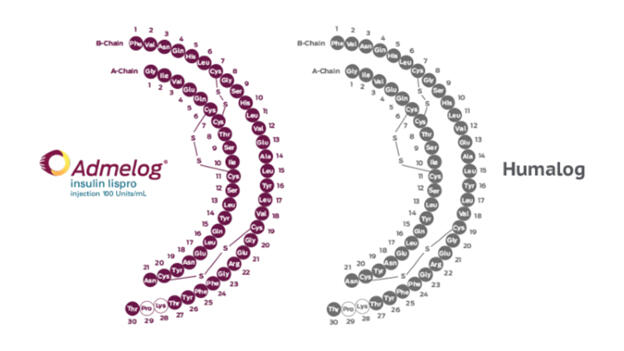
Figure 1. The identical primary amino acid sequences for Admelog and Humalog [24].
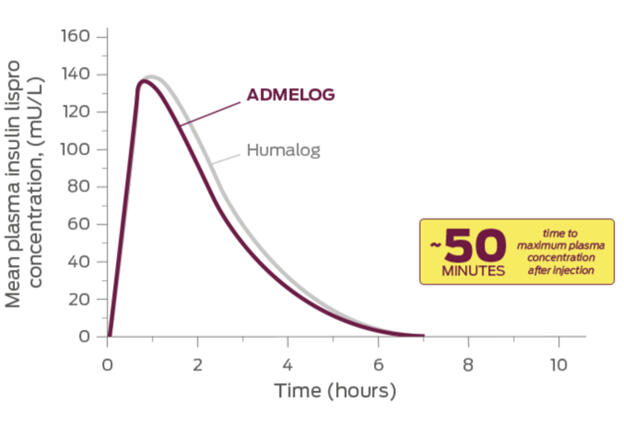
Figure 2. The pharmacokinetic profiles, or an absorption study that shows the mean blood plasma concentration of insulin vs. time, of Admelog and Humalog [24]. No statistically significant difference is seen between the two drugs.
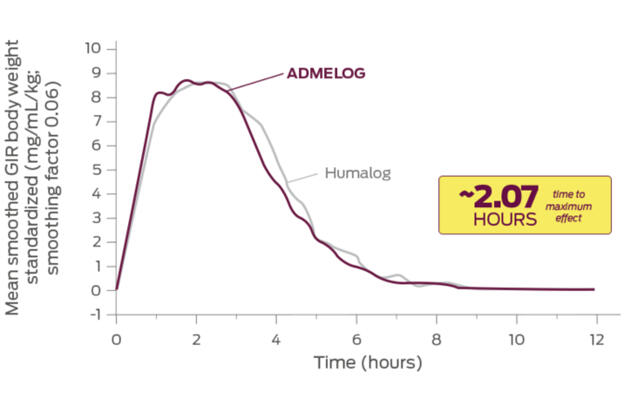
Figure 3. The pharmacodynamic profiles, or duration of action study, showing the mean time to maximum medical effect of Admelog and Humalog [24]. No statistically significant difference is seen between the two drugs.
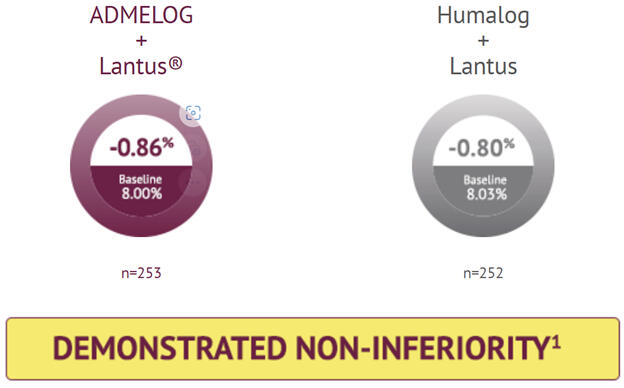
Figure 4. The observed change in A1C levels from baseline following joint treatment with Admelog or Humalog and Lantus, showing a decrease of 0.80-0.86% from the baseline of 8.0-8.03% [26]. No statistically significant difference is seen between the two drugs.

Figure 5. A straight-chain depiction of the primary structure of the active ingredient in Lantus, which is shared by follow-on product Basaglar and biosimilars Semglee and Rezvoglar [28].
Insulin: A Case Study
IV. The Value of Biosimilars
Availability of biosimilars for costly medications increases competition within the pharmaceutical market, driving down consumer prices and reducing overall healthcare costs (both direct and indirect). However, in the case of insulin, since it is a biological product and not a synthetic one, there are high barriers to production of biosimilars; high cost and difficulty in producing alternatives, stagnation in technological innovation (which limits patent opportunities for new producers), frequent litigation for patent infringement, and a market dominated by three companies leaves limited room for introduction of competing products [16]. A 2022 study predicted a healthcare savings of over $4 billion over four years (for consumers, insurers, and other parties); when considering the potential impact on future biosimilar production, the projection increases to almost $14 billion [29]. These substantial savings would ideally have a two-fold impact on access to healthcare. Firstly, lower prices paid by insurance companies would translate to lower monthly premiums passed onto patients. Additionally, copays would theoretically also decrease, both directly (by purchasing the cheaper biosimilar drug) and indirectly (lower drug costs should lead to lower copays). This would increase access to life-saving insulin for populations that are currently unable to adhere to treatment due to cost barriers, granting them access to a fundamental human right.
Below are some examples of current savings from biosimilar usage and estimations of future savings.
Unfortunately, drug pricing is not as straightforward as proposed above, with research showing no correlation between brand-name drug cost and out-of-pocket costs (such as copays) [30]. This highlights the need to review the entire American healthcare system, with the goal of addressing the tendency of pharmaceutical companies, insurance companies, and related third-parties to focus on profit rather than the patient. Without doing so, Americans will continue to go without essential medications, deprived of one of their basic rights in a country with the means to change such a broken system.
Interested in learning more about biosimilars and how they work? Check out the fact sheets below!
Insulin: A Case Study
V. Socioeconomic Considerations
Though medications such as insulin can be costly for those in most tax brackets, certain groups are disproportionately impacted by the inaccessibility of insulin.The most common social determinants of health (SDOH), or factors that affect one's overall health, are detailed in Figure 6. Though healthcare access and economic stability may seem obvious, other factors are just as important to health, such as healthy food options, access to parks and playgrounds for youth, access to transportation, and public safety [32,33].
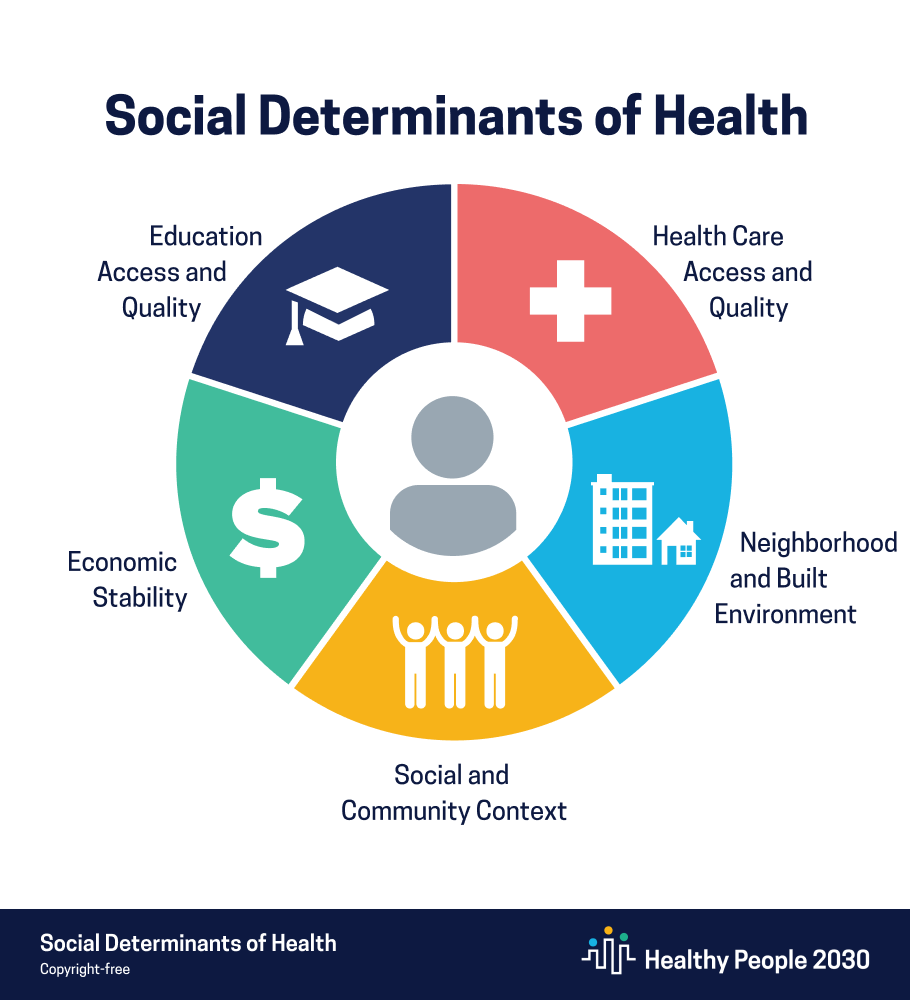
Figure 6. The five most common social determinants of health.
Roughly 80-90% of a patient’s health outcomes can be attributed to social determinants of health [36]. Ultimately, the more SDOH a person struggles with, the more likely they are to experience lethal health problems, such as strokes [37].
Examples of avoidable health disparities based on SDOH [38, 39]:
In Bolivia, babies born to women with no education have far greater infant mortality rates than babies born to mothers with at least secondary education
Life expectancy at birth among indigenous Australians is ~15 years lower than non-indigenous Australians
Life expectancy at birth for men in the Calton neighborhood of Glasgow is 54 years, 28 years less than in Lenzie, a few kilometers away
The prevalence of long-term disabilities among European men aged 80+ years is nearly 20% higher among those with lower educations
The risk of maternal death during or shortly after pregnancy is 1 in 17, 400 in Sweden and 1 in 8 in Afghanistan
Most of the 15 million people who died prematurely due to a non-communicable disease in 2016 were from low- or middle-income countries
To address any health concern (from pandemics to endemic diseases), it is essential to address the social determinants of health to ensure an equitable and adequate response [34].
Poor adherence to prescribed insulin treatments has been linked to high out-of-pocket costs, but also to food and housing insecurity. Non-adherence to treatment increases the incidence of poor health outcomes and adverse events, leading to lower quality of life and higher healthcare spending [16,31].Check out the slides below to learn about some of the factors that impact access and adherence to insulin treatment.
Health Campaigns: Educating the Public

The importance of education in personal and public health
Access to a high-quality education provides children with the foundation they need to earn a higher income later in life (Figure 7), which allows them to afford high-quality healthcare. People with higher education have been shown to be healthier and live longer [33, 36].
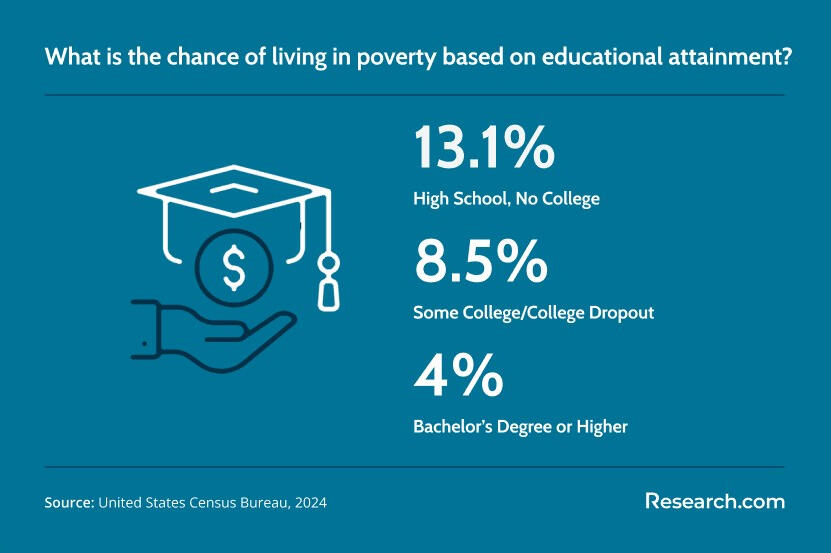
Figure 7. 2024 statistics on the likelihood of becoming impoverished in the United States based on education level, with post-secondary graduates less likely to live in poverty.
However, life happens, and not everyone intends to graduate high school or can afford to pursue higher education, and this is where public health awareness campaigns come in. PSAs and PHA campaigns seek to educate the public about important public health and safety topics. They may be promoted by the government or non-governmental organizations, but all have the common goal of raising awareness about important issues. In the US and UK, public health awareness campaigns have been incredibly successful in promoting disease prevention, increasing access to health information and resources, and encouraging use of social support networks.

Examples of successful public service announcements and public health awareness campaigns:
Between 2012–2018, the CDC’s Tips From Former Smokers campaign helped prevent 129,000 early deaths and saved over $7 billion in smoking-related healthcare costs. The campaign led to two million additional calls to the hotline 1-800-QUIT-NOW over a ten-year period. As of 2018, one million people have successfully quit smoking because of the campaign, and those exposed to the ads had lower odds of relapsing [40].
Thanks to the British charity Alcohol Change, 35% of Americans participated in Dry January 2022. This sobriety challenges urges drinkers to try to give up alcohol for one month to improve their health [41,42,43].
A public health awareness campaign turned internet trend, the ALS Ice Bucket challenge sought to educate the public and fund research on amyotrophic lateral sclerosis. This campaign led to $115 million in donations, an annual research funding increase of 187%, the discovery of two new treatments for the disease, a two-fold increase in the number of US ALS clinics, and the identification of 12 genes implicated in ALS [43,44].
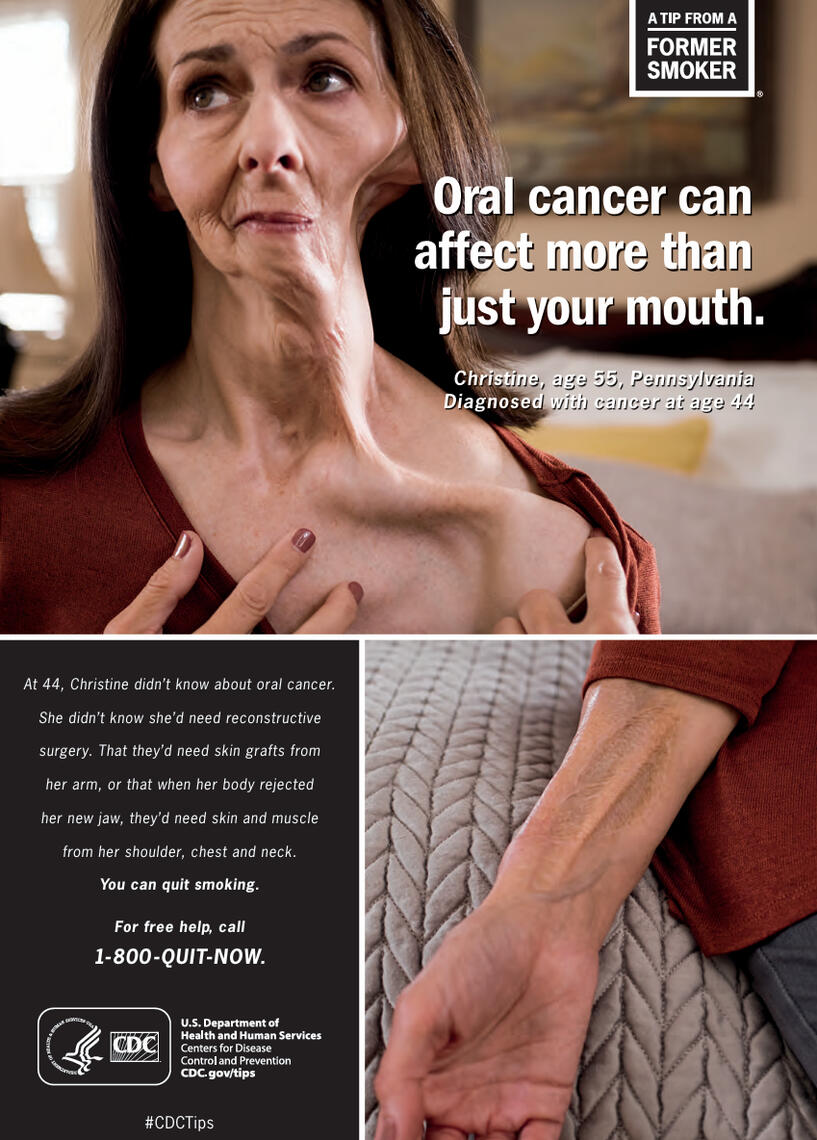
Figure 7. An example of a successful PHA campaign ad from the CDC's Tips From Former Smokers ad series [40].
Check out some more examples of impactful public health campaigns here:
Educating Chemical Researchers, Drug Synthesizers, Pharmacists, and Medical Professionals

The cost of higher education and its role in the healthcare system
Though early childhood education, secondary education programs, and public health campaigns are vital to good health and development, just as is important is the accessibility of quality higher education for those who wish to pursue it. We need bright young Americans to attend college and earn their degrees, particularly those with an interest in careers related to public health or education.Students wishing to become early childhood or secondary school educators have the unique opportunity to foster a love for learning in their students, potentially inspiring them to become doctors, scientists, nurses, or other essential medical personnel.

Additionally, STEM professors can educate their pre-medical, pre-graduate, and pre-pharmaceutical students on the value of chemistry and emphasize the importance of studying and creating biosimilar and cost-effective drugs. Many chemistry and biology courses are taught in an abstract manner, with few tangible, real-world examples provided, leaving students detached and in the dark about the role they will play in the healthcare and education systems. Providing real-world examples can engage students to a higher degree and inspire them to make a difference in their careers. If colleges strive to educate students about their ability to create affordable, safe medications, the market could soon be filled with cheaper, efficacious drugs that benefit society as a whole.

Unfortunately, 95% of US institutions offering post-secondary education programs are unaffordable to low-income students, with over 70% being unaffordable even after taking into account federal student loans [45]. Even students who are eligible for a Pell Grant, a need-based award meant to make higher education more affordable for the average American, are impacted by the high cost of college. Over 90% of Pell Grant recipients still have unmet financial need, requiring them to either take out loans, work more, or drop out of school without earning their degree [46]. Black students are most likely to have unmet need, though people of color from all racial backgrounds face higher average unmet need amounts than white students [45,46].In fact, a survey of adults who either never enrolled in or dropped out of college found that 55% cited financial barriers as the biggest reason for not continuing their education, while 85% cited cost as an important reason for their enrollment status [48,49]. Furthermore, nearly 33% of Americans drop out of college each year, and only 62% graduate within four years, making it clear that the high cost of college is inhibiting many Americans from reaching their full potential or pursuing careers in medicine or education [50].
Why is college so expensive? How did the American education system end up like this? How can we fix it? If you're asking yourself these questions, you're not alone. This YouTube playlist tries to answer your burning questions about college.
Possible Solutions

How can we fix the American education system to improve access to healthcare and life-saving medications?
Increasing college enrollment and degree completion

Educate prospective students and families on the costs of higher education [51,52]
On financial aid award letters, clearly state which funds are grants or scholarships and which must be paid back
Ensure students understand the risks and effects of taking out third-party or nongovernmental student loans
Provide more information on eligibility for financial aid and require incoming students to undergo financial aid advisement
Improve methods for estimation of external costs to give students a better idea of the full cost of college
Simplify and streamline programs designed for federal loan repayment to make repayment more transparent and to protect borrowers and lenders against payment delinquency and default [53]
Improve advertisement for and education on 529 accounts and other financial tools meant to make it easier to save for college [54]
Increase governmental funding for social media campaigns and educational resources, such as the Federal Student Aid YouTube channel, which educates students on how to fill out the FAFSA, prepare for loan repayment, and more
Ensure financial aid counselors are available to assist students and explain the full cost of college before enrollment
Push universities to provide training to guide students through the FAFSA and the financial aid process, like Stockton University does below
Remove cost barriers to higher education
Fund and advertise programs such as Modern States, which allows students to earn college credit for free, or lower-cost alternatives such as community college or the College-Level Examination Program
Increase funding for and ensure that colleges accept credit from high school programs such as dual-enrollment, International Baccalaureate exams, and Advanced Placement courses
Expand financial aid beyond the federal level by expanding state education programs such as Georgia's HOPE and Zell Miller awards or Florida's Bright Futures scholarship [55]
Ensure that state aid programs are available to low-income students rather than focusing solely on "high-achievers"
Create emergency aid programs such as GSU's Panther Retention Grant and the now-defunct CARES Act
Remove "last-dollar" restrictions on institutional scholarships and grants
Provide low-cost or open access textbooks and course materials
Direct more funding to need-based institutional and governmental grants, such as the Federal Pell Grant, and programs such as Federal Work-Study
Increase the maximum Pell Grant life-time limit from 127 credit hours to 180 hours to align with the satisfactory academic progress (SAP) requirements for receiving financial aid [53]
Increase the income threshold for need-based aid to avoid penalizing students who must work to support themselves while in school
Extend financial aid eligibility to students who attend less than full-time (often due to temporary factors or circumstances beyond their control) [53]
Increase funding and eligibility for the Public Service Loan Forgiveness program, since public servants typically make less than private-sector employees
Remove the qualification of 529 accounts as a financial asset to decrease the aid penalty that beneficiaries face when filling out the FAFSA [54]
Support programs like ASU's Study Hall, a collaboration with CrashCourse that helps demystify college, explain costs and provide valuable financial resources (videos below), and can even provide low-cost college credit
Redesigning chemical education to create better drugs
Focus chemical education on real-world problems and solutions
Instead of teaching the fundamentals of chemistry in an abstract, theoretical way, introduce unique examples that encourage students to think critically and solve everyday problems. Examples of recent creative innovations in drug discovery include:
Changing the basic framework or shape of drugs to make them safer, more eco-friendly, and cheaper to synthesize [56]
Using unique techniques like trifluoromethylation (adding a specific carbon-fluorine group to a molecule) to increase drug stability, make the drugs more quickly, and keep them in the body for longer [57] - then, revisiting the topic to make this technique even cheaper! [58]
Creating new ways of making chemical reactions (such as creation of carbon-nitrogen bonds) to increase efficiency, eco-friendliness, cost-effectiveness, and speed [59,60]
Discovering new catalysts that break chemical bonds and form new ones, making a key oncology drug over 1000x cheaper [61]
Decreasing use of dangerous, expensive solvents by using green (sustainable) chemistry, reducing cost and making drugs safer (see video below) [62]
This discovery process doesn't have to begin in graduate school. When we encourage undergraduates to get actively involved in research, amazing innovations can happen.

Take Cassidy Humphreys, a chemistry student at Princeton, as an example. Her senior thesis project involved using light to make a fast, cheap, and environmentally friendly reaction, which can dramatically reduce the cost of medications. Though undergraduate research doesn't always feel groundbreaking, college students have the potential to make great strides in the world of science and pharmaceuticals - the first step is making sure that they know what they are capable of.
Why should I care about healthcare or education?

Deprivation of basic human rights impacts us all in big and small ways.
We as citizens have a responsibility to stand up for our collective rights to education and healthcare. Education initiatives directly impact you, even if you don't have children; the next generation will be our doctors, nurses, lawyers, and teachers as we grow old. The fight for universal healthcare in the United States benefits everyone, regardless of insurance status or personal health conditions. Copay caps benefit the uninsured, underinsured, and privately insured alike. We all benefit from initiatives that improve public and personal health, and we have a responsibility to speak up and make sure that our voices are heard.
I'm just one person. My impact can't really make a difference, can it?

Your voice matters. Even one person can start an important conversation and spark a mass movement.
Many citizens are bystanders when it comes to social issues and civil rights movements, passively watching injustice unfold without taking action. Conversely, upstanders actively step in to advocate for victims and work to foster an environment of respect, fairness, and peer support [63].When you see millions of Americans unable to afford their life-saving medications, you have the power and responsibility to stand up for their rights to healthcare. This task can be daunting, requiring active leadership, bravery, and compassion, but standing up for others is essential to sparking social change.

Nonviolent protests against injustice are the most successful way to cause social reform, and according to the BBC, movements involving only 3.5% of the population are nearly guaranteed to foster change [64]. Even though it may be hard to immediately see the impact that you have on others, your actions (whether big or small) add up. Research shows that altruism and activism are contagious, meaning that when we put the time and effort into helping or advocating for others, those around us are likely to follow suit [65]. No matter how bleak things may seem, your actions have the power to change the world, and one person can make a huge difference in social movements.Ready to stand up for our right to healthcare? Check out the fact sheet below to learn about how to be an upstanding citizen and break the bystander effect:
How can I get involved?

You can push for political reform by voting and contacting your representatives.
When election season rolls around, make sure your voice is heard via your ballot! Don't just focus on presidential elections; local and state elections can be even more influential. Once you've voted, you can find your House representative here and your Senators here. Then, use the template below from Amnesty International to let them know that you demand that our government recognize our right to healthcare!
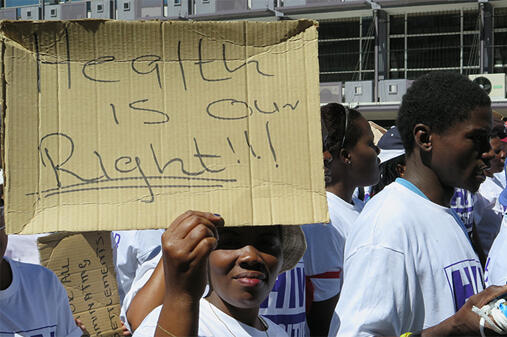
Image courtesy of Amnesty International

You have the power to drive change in your community by educating your peers.
Educate your friends, family, and community. The impact of public health campaigns and PSAs aren't limited to billboards and newspaper ads; you can share your newfound knowledge through social media, class projects, or club outreach activities. Get creative and spread the word about our right to healthcare!
Sources

Note: a bolded entry number indicates a source that has been annotated.
(1) United Nations. Universal Declaration of Human Rights. United Nations. https://www.un.org/en/about-us/universal-declaration-of-human-rights.(2) World Health Organization. Constitution of the World Health Organization. World Health Organization. https://www.who.int/about/governance/constitution.(3) Shmerling, R. H. Why do your prescription drugs cost so much? Harvard Health. https://www.health.harvard.edu/blog/why-do-your-prescription-drugs-cost-so-much-202401183007.(4) Wouters, O. J.; Berenbrok, L. A.; He, M.; Li, Y.; Hernandez, I. Association of Research and Development Investments with Treatment Costs for New Drugs Approved from 2009 to 2018. JAMA Network Open 2022, 5 (9), e2218623. https://doi.org/10.1001/jamanetworkopen.2022.18623.(5) Morse, S. J. PBMs are driving up drug prices through fees, PhRMA report claims. Healthcare Finance News. https://www.healthcarefinancenews.com/news/pbms-are-driving-drug-prices-through-fees-phrma-report-claims.(6) World Population Review. Countries With Universal Healthcare 2020. worldpopulationreview.com. https://worldpopulationreview.com/country-rankings/countries-with-universal-healthcare.(7) Cleveland Clinic. Type 1 diabetes. Cleveland Clinic. https://my.clevelandclinic.org/health/diseases/21500-type-1-diabetes.(8) American Diabetes Association. Type 1 Symptoms | ADA. diabetes.org. https://diabetes.org/about-diabetes/type-1.(9) American Diabetes Association. Understanding Type 2 Diabetes. diabetes.org. https://diabetes.org/about-diabetes/type-2.(10) American Diabetes Association. Gestational Diabetes-Causes & Treatment | ADA. Diabetes.org. https://diabetes.org/living-with-diabetes/pregnancy/gestational-diabetes.(11) Johns Hopkins Medicine. Gestational Diabetes Mellitus (GDM). Hopkins Medicine. https://www.hopkinsmedicine.org/health/conditions-and-diseases/diabetes/gestational-diabetes.(12) American Diabetes Association. Diabetes Complications. diabetes.org. https://diabetes.org/about-diabetes/complications.(13) Mayo Clinic. Type 1 Diabetes - Symptoms and Causes. Mayo Clinic. https://www.mayoclinic.org/diseases-conditions/type-1-diabetes/symptoms-causes/syc-20353011.(14) CDC. National Diabetes Statistics Report. CDC. https://www.cdc.gov/diabetes/php/data-research/index.html.(15) American Diabetes Association Announces Support for INSULIN Act at Senate Press Conference | ADA. diabetes.org. https://diabetes.org/newsroom/american-diabetes-association-announces-support-for-insulin-act-at-senate-press-conference.(16) Finegold, K.; Sayed, B. A. Report on the Affordability of Insulin REPORT to CONGRESS; 2022. https://aspe.hhs.gov/sites/default/files/documents/b60f396f32e29a2a9469276d9ca80e4b/aspe-insulin-affordibility-rtc.pdf.(17) Torreele, E. Why Are Our Medicines so Expensive? Spoiler: Not for the Reasons You Are Being Told…. European Journal of General Practice 2024, 30 (1). https://doi.org/10.1080/13814788.2024.2308006.(18) Office of the Commissioner. FDA approves Admelog, the first short-acting “follow-on” insulin product to treat diabetes. U.S. Food and Drug Administration. https://www.fda.gov/news-events/press-announcements/fda-approves-admelog-first-short-acting-follow-insulin-product-treat-diabetes.(19) FDA approves Basaglar, the first “follow-on” insulin glargine product to treat diabetes. Fierce Biotech. https://www.fiercebiotech.com/biotech/fda-approves-basaglar-first-follow-on-insulin-glargine-product-to-treat-diabetes.(20) Billingsley, A. What Is an Interchangeable Biosimilar Drug? GoodRx. https://www.goodrx.com/drugs/biologics/interchangeable-biosimilar-drugs.(21) Dolinar, R.; Lavernia, F.; Edelman, S. A GUIDE to FOLLOW-on BIOLOGICS and BIOSIMILARS with a FOCUS on INSULIN. Endocrine Practice: Official Journal of the American College of Endocrinology and the American Association of Clinical Endocrinologists 2018, 24 (2), 195–204. https://doi.org/10.4158/EP161728.RA.(22) White, J.; Goldman, J. Biosimilar and Follow-on Insulin: The Ins, Outs, and Interchangeability. Journal of Pharmacy Technology 2018, 35 (1), 25–35. https://doi.org/10.1177/8755122518802268.
Annotation: This 2018 article describes the differences between biologics, biosimilars, interchangeable products, and follow-on products, and subsequently explains the intricacies of the FDA approval process for each, with a particular focus on insulins. Interestingly, unlike many other articles from the period, they also discuss how the method of delivery (pen vs. pump, etc.) can become an obstacle to FDA approval (through patent rights), a factor that I hadn’t considered before. The authors end the article with an overview of biosimilar insulins that were in clinical trials at the time of publication, a handful of which have since been approved. This work was particularly useful during my research as it clarified a lot of confusing terminology, making it easier for me to focus on the actual research rather than looking up definitions.(23) HIGHLIGHTS of PRESCRIBING INFORMATION; 2023. https://pi.lilly.com/us/humalog-pen-pi.pdf.(24) ADMELOG® (insulin lispro injection) 100 Units/mL vs Humalog | Structure & Pharmacology. Admelogpro.com. https://www.admelogpro.com/admelog-vs-humalog/about.(25) Zhang, R. M.; Puri, R.; McGill, J. B. Update on Biosimilar Insulins: A US Perspective. BioDrugs 2020, 34 (4), 505–512. https://doi.org/10.1007/s40259-020-00431-0.(26) Efficacy & Safety | ADMELOG® (insulin lispro injection) 100 Units/mL. Admelogpro.com. https://www.admelogpro.com/admelog-vs-humalog/efficacy-and-safety.(27) Kapitza, C.; Nowotny, I.; Lehmann, A.; Bergmann, K.; Rotthaeuser, B.; Nosek, L.; Becker, R. H. A. Similar Pharmacokinetics and Pharmacodynamics of Rapid-Acting Insulin Lispro Products SAR342434 and US- and EU-Approved Humalog in Subjects with Type 1 Diabetes. Diabetes, Obesity & Metabolism 2017, 19 (5), 622–627. https://doi.org/10.1111/dom.12856.
Annotation: This study aimed to show the effectiveness and safety of Admelog during its clinical trial, as well as to compare it to the US-approved and EU-approved versions of Humalog, its biosimilar analog. The authors demonstrated that the pharmacodynamic (how long it takes to reach maximum effect of a drug) and pharmacokinetic (how long a drug stays in the blood) profiles of Admelog were virtually identical to that of both versions of Humalog. This article was particularly useful in visually demonstrating the medical value and efficacy of biosimilar drugs rather than just explaining the benefits, making it far easier to explain these concepts to non-STEM majors and others who may not be informed about this topic.(28) PubChem. Basaglar. pubchem.ncbi.nlm.nih.gov. https://pubchem.ncbi.nlm.nih.gov/compound/118984454.(29) Mulcahy, A.; Buttorff, C.; Finegold, K.; El-Kilani, Z.; Oliver, J.; Murphy, S.; Jessup, A. Projected US Savings from Biosimilars, 2021-2025. The American Journal of Managed Care 2022, 28 (7).(30) Rome, B. N.; Feldman, W. B.; Desai, R. J.; Kesselheim, A. S. Correlation between Changes in Brand-Name Drug Prices and Patient Out-of-Pocket Costs. JAMA Network Open 2021, 4 (5), e218816. https://doi.org/10.1001/jamanetworkopen.2021.8816.(31) McAdam-Marx, C.; Ruiz-Negron, N.; Sullivan, J. M.; Tucker, J. M. The Effects of Patient Out-of-Pocket Costs for Insulin on Medication Adherence and Health Care Utilization in Patients with Commercial Insurance; 2007-2018. Journal of Managed Care & Specialty Pharmacy 2022, 28 (5), 494–506. https://doi.org/10.18553/jmcp.2022.21481.(32) @HealthValueHub. www.healthcarevaluehub.org. https://www.healthcarevaluehub.org/cost-and-quality-problems/browse-cost-driverquality-issue/social-determinants-health.(33) Healthy People 2030. Access to health services - healthy people 2030. Health.gov. https://odphp.health.gov/healthypeople/priority-areas/social-determinants-health/literature-summaries/access-health-services.(34) World Health Organization. Social Determinants of Health Report by the Director-General; 2021. https://apps.who.int/gb/ebwha/pdffiles/EB148/B14824-en.pdf.(35) Whitman, A.; De Lew, N.; Chappel, A.; Aysola, V.; Zuckerman, R.; Sommers, B. Addressing Social Determinants of Health: Examples of Successful Evidence-Based Strategies and Current Federal Efforts; 2022. https://aspe.hhs.gov/sites/default/files/documents/e2b650cd64cf84aae8ff0fae7474af82/SDOH-Evidence-Review.pdf.(36) ChenMed. How do social determinants of health affect care outcomes? ChenMed. https://www.chenmed.com/blog/how-do-social-determinants-health-affect-care-outcomes.(37) Reshetnyak, E.; Ntamatungiro, M.; Pinheiro, L. C.; Howard, V. J.; Carson, A. P.; Martin, K. D.; Safford, M. M. Impact of Multiple Social Determinants of Health on Incident Stroke. Stroke 2020, 51 (8), 2445–2453. https://doi.org/10.1161/strokeaha.120.028530.(38) World Health Organization. Social determinants of health. World Health Organization. https://www.who.int/health-topics/social-determinants-of-health#tab=tab3.(39) World Health Organization. Social determinants of health: Key concepts. World Health Organization. https://www.who.int/news-room/questions-and-answers/item/social-determinants-of-health-key-concepts.(40) Centers for Disease Control and Prevention. Tips From Former Smokers®. Centers for Disease Control and Prevention. https://www.cdc.gov/tobacco/campaign/tips/index.html.(41) Benefits of Dry January, and when you can expect to see them. Alcohol Change UK. https://alcoholchange.org.uk/blog/benefits-of-dry-january-and-when-you-can-expect-to-see-them.(42) Rhone, N. OPINION: Dry January reflects another cultural reset in U.S. history. Will it take root? Atlanta Journal Constitution. https://www.ajc.com/life/opinion-dry-january-reflects-another-cultural-reset-in-us-history-will-it-take-root/OQI4BYHKPVDBFLTEJBMT3GWCO4/ (accessed 2025-04-11).(43) Team CSG. The Importance of Healthcare Awareness Campaigns 2024. Communications Strategy Group. https://wearecsg.com/blog/importance-healthcare-awareness-campaigns/.(44) ALS Association. Ice Bucket Challenge dramatically accelerated the fight against ALS. The ALS Association. https://www.als.org/stories-news/ice-bucket-challenge-dramatically-accelerated-fight-against-als.(45) Bidwell, A. NASFAA | Report: Low-Income Students Cannot Afford 95 Percent of Colleges. Nasfaa.org. https://www.nasfaa.org/news-item/11623/ReportLow-IncomeStudentsCannotAfford95PercentofColleges.(46) Vargas, M.; Dancy, K. College Affordability Still Out of Reach for Students with Lowest Incomes, Students of Color. IHEP. https://www.ihep.org/college-affordability-still-out-of-reach-for-students-with-lowest-incomes-students-of-color/.(47) Weissman, S. New Analysis Finds Most Families Can’t Cover College Costs. Inside Higher Ed. https://www.insidehighered.com/news/quick-takes/2023/08/18/new-analysis-finds-most-families-cant-cover-college-costs.(48) Carrasco, M. NASFAA | Survey: Financial Barriers Are Biggest Reasons Why People Don’t Enroll in Higher Education. www.nasfaa.org. https://www.nasfaa.org/news-item/30616/SurveyFinancialBarriersAreBiggestReasonsWhyPeopleDontEnrollinHigherEducation.(49) Carrasco, M. NASFAA | Report: The Biggest Barriers to Higher Ed Enrollment Are Cost and Lack of Financial Aid. www.nasfaa.org. https://www.nasfaa.org/news-item/34147/ReportTheBiggestBarrierstoHigherEdEnrollmentAreCostandLackofFinancialAid.(50) Bouchrika, I. College Dropout Rates: 2022 Statistics by Race, Gender & Income. Research.com. https://research.com/universities-colleges/college-dropout-rates.(51) Coker, C.; Glynn, J. Making College Affordable: Providing Low-Income Students with the Knowledge and Resources Needed to Pay for College. Jack Kent Cooke Foundation. https://www.jkcf.org/research/making-college-affordable-providing-low-income-students-with-the-knowledge-and-resources-needed-to-pay-for-college/.(52) Morgan, J. M. Making College More Affordable. Center for American Progress. https://www.americanprogress.org/article/making-college-more-affordable/.(53) Garcia, R. Unmet Need among Community College Students; 2019. https://www.clasp.org/sites/default/files/publications/2019/02/2019HEAPrioritiesAffordablity.pdf.(54) Making College More Affordable. Hartford Funds. https://www.hartfordfunds.com/dam/en/docs/pub/whitepapers/CCWP107.pdf.(55) Gandal, M. How States Are Making College More Affordable. Forbes. September 15, 2024. https://www.forbes.com/sites/mattgandal/2024/09/15/how-states-are-making-college-more-affordable/.(56) Jacobson, R. Reinventing the way chemicals are made to make them cheaper and cleaner. PBS News. https://www.pbs.org/newshour/science/scientists-reinventing-way-chemicals-made (accessed 2025-04-12).(57) The Scripps Research Institute. Scientists find easier, cheaper way to make a sought-after chemical modification to drugs. Phys.org. https://phys.org/news/2011-08-scientists-easier-cheaper-sought-after-chemical.html (accessed 2025-04-12).(58) Profile: A Cheaper Way to Make Drugs? | Department of Chemistry and Chemical Biology. Harvard.edu. https://www.chemistry.harvard.edu/news/2025/03/profile-cheaper-way-make-drugs (accessed 2025-04-12).(59) Dusunge, A.; Leahy, D. K.; Handa, S. AshPhos Ligand: Facilitating Challenging Aminations in Five- and Six-Membered Heteroaryl Halides Using Cyclic Secondary and Bulky Amines. JACS Au 2024. https://doi.org/10.1021/jacsau.4c00772.(60) Stann, E. Researchers invent a new tool to help lower the cost of tomorrow’s medicine. Show Me Mizzou. https://showme.missouri.edu/2025/researchers-invent-a-new-tool-to-help-lower-the-cost-of-tomorrows-medicine/.(61) Ober, H. UCLA chemists use oxygen, copper “scissors” to make cheaper drug treatments possible. UCLA. https://newsroom.ucla.edu/releases/chemists-oxygen-copper-less-expensive-drug-treatments.(62) Lipshutz, B. H. Reducing the Cost of Making Drugs for Low/Limited-Income Countries by Going Green. Trends in Chemistry 2024, 6 (4), 173–185. https://doi.org/10.1016/j.trechm.2024.02.004.
Annotation: This article is particularly valuable in demonstrating the benefits of using green chemistry (environmentally friendly reactions that do not make use of expensive, toxic solvents or non-renewable metal catalysts like palladium). The authors describe key changes (such as using water instead of organic solvents or recycling any solvents or catalysts used) to the chemical reactions necessary to make antimalarial and antiviral drugs, making these medicines not only more environmentally friendly, but also far cheaper to develop with the goal of increasing accessibility to healthcare. Learning about these specific, new innovations in drug production was useful in my research and inspired how I approached my proposals for the chemical education portion of the site.(63) Williams, M. T. Be an Upstander, Not a Bystander. Psychology Today. https://www.psychologytoday.com/us/blog/culturally-speaking/202404/be-an-upstander-not-a-bystander.(64) Robson, D. The ’3.5% rule’: How a small minority can change the world. BBC. https://www.bbc.com/future/article/20190513-it-only-takes-35-of-people-to-change-the-world.(65) Minshew, A. How One Person Can Make a Lasting Impact. Waterford.org. https://www.waterford.org/blog/how-to-change-the-world (accessed 2025-04-12).